
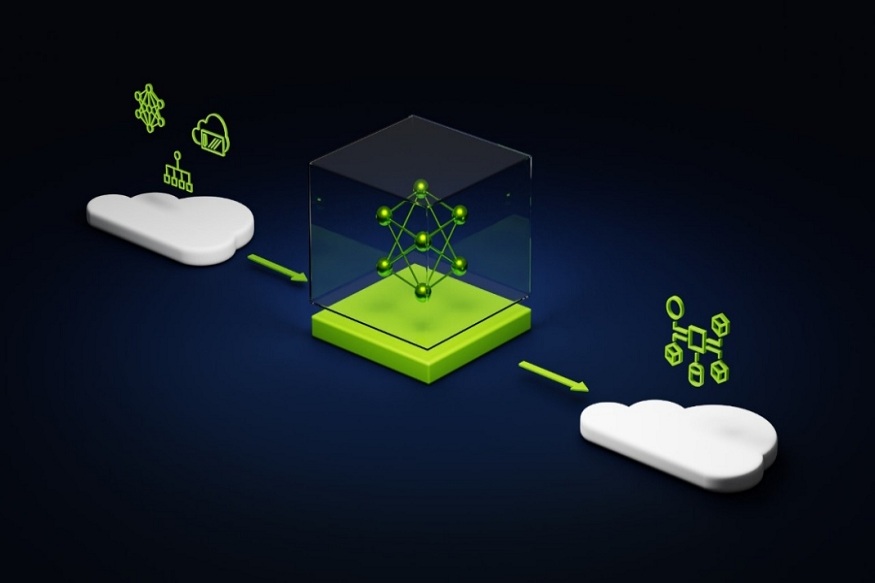
GPU cloud computing has rapidly become a foundational technology for businesses, developers, and researchers that require massive computational power without the limitations of traditional on-premise infrastructure. From artificial intelligence and machine learning to real-time data analytics and advanced rendering, GPU cloud computing enables organizations to process complex workloads faster, scale effortlessly, and reduce capital expenses.
As industries continue to embrace data-intensive applications, understanding how GPU cloud computing works and why it matters is essential for staying competitive in today’s digital landscape.
What Is GPU Cloud Computing?
GPU cloud computing refers to the use of graphics processing units hosted in cloud environments to accelerate compute-heavy tasks. Unlike CPUs, which are designed for sequential processing, GPUs excel at parallel processing. This makes them ideal for workloads that require handling thousands or millions of operations simultaneously.
By accessing GPUs through the cloud, businesses eliminate the need to purchase, maintain, and upgrade expensive hardware. Instead, they can deploy powerful GPU instances on demand, paying only for the resources they actually use.
Why GPU Cloud Computing Is in High Demand
The growing demand for GPU cloud computing is driven by the rise of modern applications that require extreme processing power. Traditional CPU-based systems often struggle to meet performance expectations for these workloads.
Key drivers include:
- The explosion of artificial intelligence and machine learning models
- Increasing reliance on big data and real-time analytics
- Growth of high-resolution video, 3D graphics, and virtual environments
- The need for faster research and development cycles
GPU cloud computing bridges the gap between performance requirements and operational efficiency, making advanced computing accessible to organizations of all sizes.
Key Benefits of GPU Cloud Computing
High Performance at Scale
GPU cloud computing delivers exceptional performance for parallel workloads. Tasks that would take hours or days on CPUs can often be completed in a fraction of the time using GPUs.
Cloud platforms allow users to scale GPU resources up or down instantly, ensuring consistent performance even during peak demand.
Cost Efficiency and Flexibility
Purchasing physical GPU hardware requires significant upfront investment and ongoing maintenance. GPU cloud computing removes these barriers by offering a usage-based pricing model.
This flexibility allows businesses to experiment, innovate, and expand without financial risk or infrastructure constraints.
Faster Development and Innovation
Developers and data scientists benefit from rapid provisioning of GPU resources. There is no waiting period for hardware installation, which accelerates development cycles and time to market.
GPU cloud computing also supports collaboration by enabling teams to access the same high-performance environment from anywhere.
Reliability and Security
Leading cloud providers invest heavily in security, redundancy, and compliance. GPU cloud computing environments are designed with enterprise-grade safeguards, ensuring data protection and high availability.
Common Use Cases for GPU Cloud Computing
Artificial Intelligence and Machine Learning
Training deep learning models requires immense computational power. GPU cloud computing significantly reduces training time while enabling the use of larger and more complex models.
Inference workloads also benefit from GPU acceleration, especially for real-time applications such as image recognition and natural language processing.
Data Analytics and Scientific Research
GPU cloud computing accelerates data processing for analytics, simulations, and scientific modeling. Researchers can run large-scale experiments without being limited by local hardware capabilities.
This is particularly valuable in fields such as genomics, climate modeling, and financial forecasting.
Media Rendering and Visualization
Industries like gaming, film, architecture, and design rely on GPU cloud computing for rendering high-quality graphics and visualizations.
Cloud-based GPUs enable faster rendering times, remote collaboration, and support for complex 3D workflows.
Virtual Desktops and Remote Workstations
GPU cloud computing powers virtual desktop infrastructure for professionals who require high-performance environments, such as engineers and designers.
Users gain access to powerful GPU-enabled desktops from standard devices, improving mobility and productivity.
How GPU Cloud Computing Supports Business Growth
GPU cloud computing is not just a technical upgrade. It plays a strategic role in business growth and digital transformation.
By removing hardware limitations, organizations can focus on innovation instead of infrastructure. Teams can test new ideas, deploy advanced applications, and respond quickly to market changes.
Additionally, GPU cloud computing supports global scalability, allowing businesses to deploy workloads closer to users and improve performance across regions.
Challenges to Consider
While GPU cloud computing offers significant advantages, there are considerations to keep in mind.
Cost management is critical, as high-performance GPU instances can become expensive if not optimized. Proper monitoring and workload planning are essential to avoid unnecessary usage.
Another factor is application compatibility. Some legacy systems may require optimization or refactoring to fully benefit from GPU acceleration.
Choosing the Right GPU Cloud Computing Solution
Selecting the right GPU cloud computing provider depends on several factors, including workload requirements, performance expectations, compliance needs, and budget.
Businesses should evaluate GPU types, scalability options, pricing models, and available support services. A well-chosen solution ensures maximum return on investment and long-term sustainability.
The Future of GPU Cloud Computing
GPU cloud computing continues to evolve alongside advancements in artificial intelligence, edge computing, and high-performance computing. As GPUs become more powerful and efficient, cloud platforms will offer even greater capabilities.
Emerging trends such as multi-GPU architectures, optimized AI accelerators, and tighter integration with cloud-native tools will further expand the possibilities of GPU cloud computing.
Organizations that adopt this technology early are better positioned to innovate, scale, and compete in an increasingly data-driven world.
Final Thoughts
GPU cloud computing has transformed how businesses approach high-performance workloads. By combining the power of GPUs with the flexibility of the cloud, it enables faster processing, reduced costs, and unlimited scalability.
Whether you are building AI models, analyzing massive datasets, or delivering immersive digital experiences, GPU cloud computing provides the performance foundation needed to succeed in modern computing environments.










+ There are no comments
Add yours